September, 2026
The best day of work cannot beat the worst day of fishing. According to Minnesota DNR 29% of residents will throw in a line on a sunny, rainy, cold, hot, or any other type of day, and it really doesn’t matter if the fish are biting. If you are going to go fishing, here are some interesting things that you might want to ponder while casting or watching a bobber.
Bluegill are the easiest to catch in Minnesota, and it’s usually the first catch of many young anglers. Not true for me. My first catch was probably a bullhead, but I’m originally from southern Minnesota, and there are a lot of mud lakes. My son is too impatient, and while he has been fishing before, he hasn’t really caught one yet. Don’t be fooled, these fish are tricky to catch, and a lot of hooks are too big for their mouths. If the hook isn’t baited just right and if the barb isn’t tilted, the little fish can pick the hook clean and not even be heavy enough to pull down the bobber.
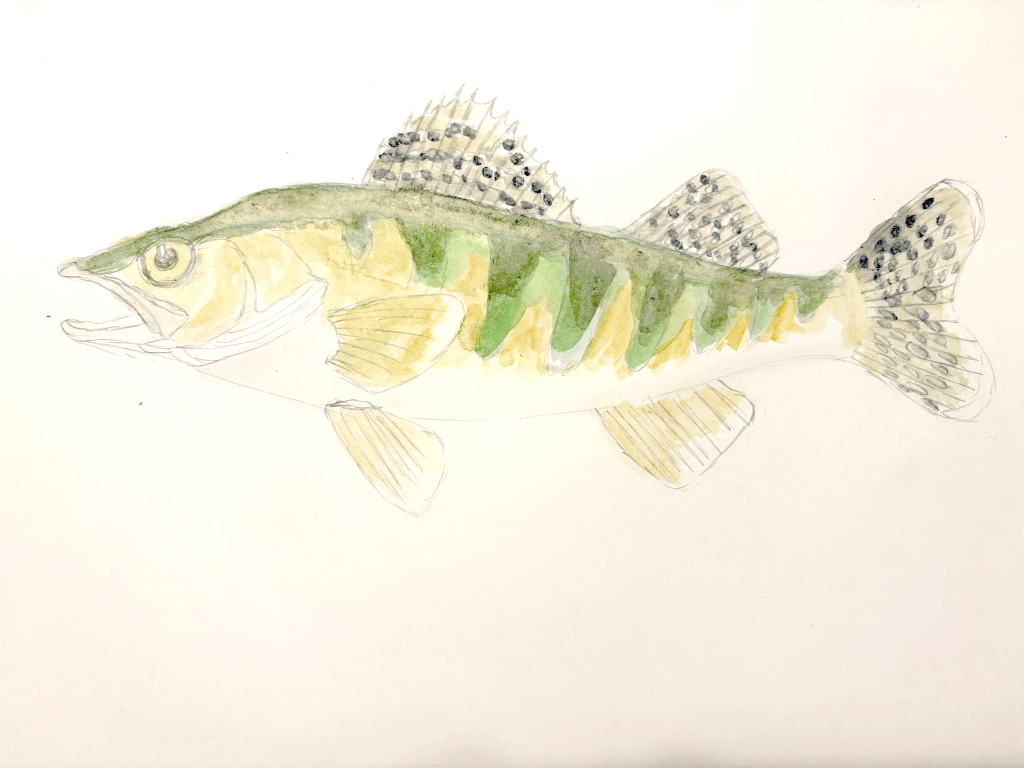
The same can be said about perch. If my first fish wasn’t a bullhead, then it may have been a perch, but it was unlikely a crappie. Panfish are the some of the most delicious fish you will ever taste in your lifetime. It’s something about a shore lunch with perch fried in butter and Bisquick sprinkled on top that sticks with someone for a lifetime. I still dream about it occasionally.